More Than a Sign: How Small Acts of Community Care Create a Lasting Impact

May 26, 2026

More Than a Sign: How Small Acts of Community Care Create a Lasting Impact

By Megan Russell-Bean

Community is not built by signs, roads, or buildings alone.


It is built by the people and organizations willing to care for the places around them.


At Florida Design Consultants, community involvement is part of how we think about our work every day. From designing infrastructure and stormwater systems to helping shape neighborhoods and public spaces throughout the Tampa Bay region, our projects are connected to the places where people live, work, and grow.


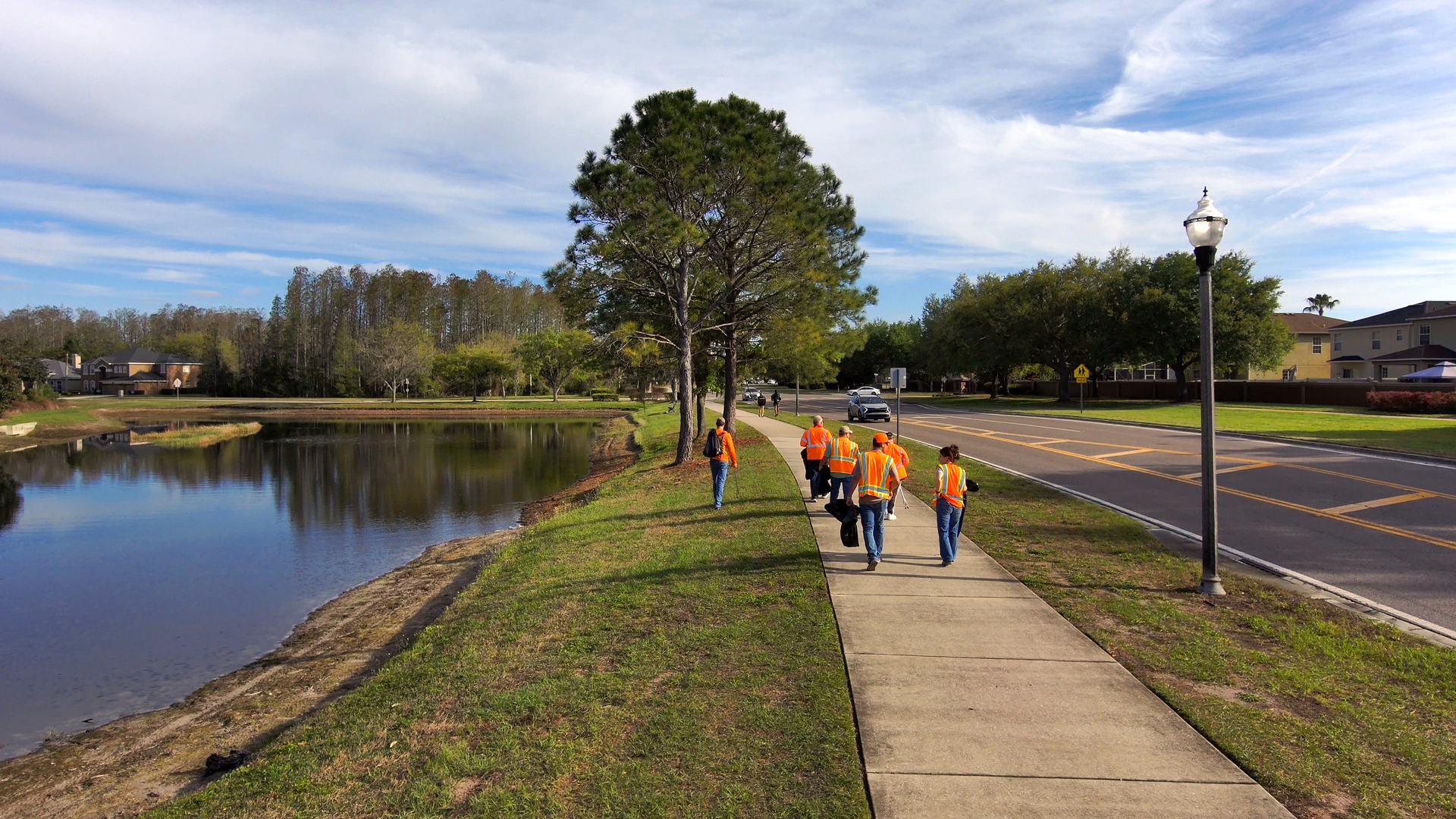
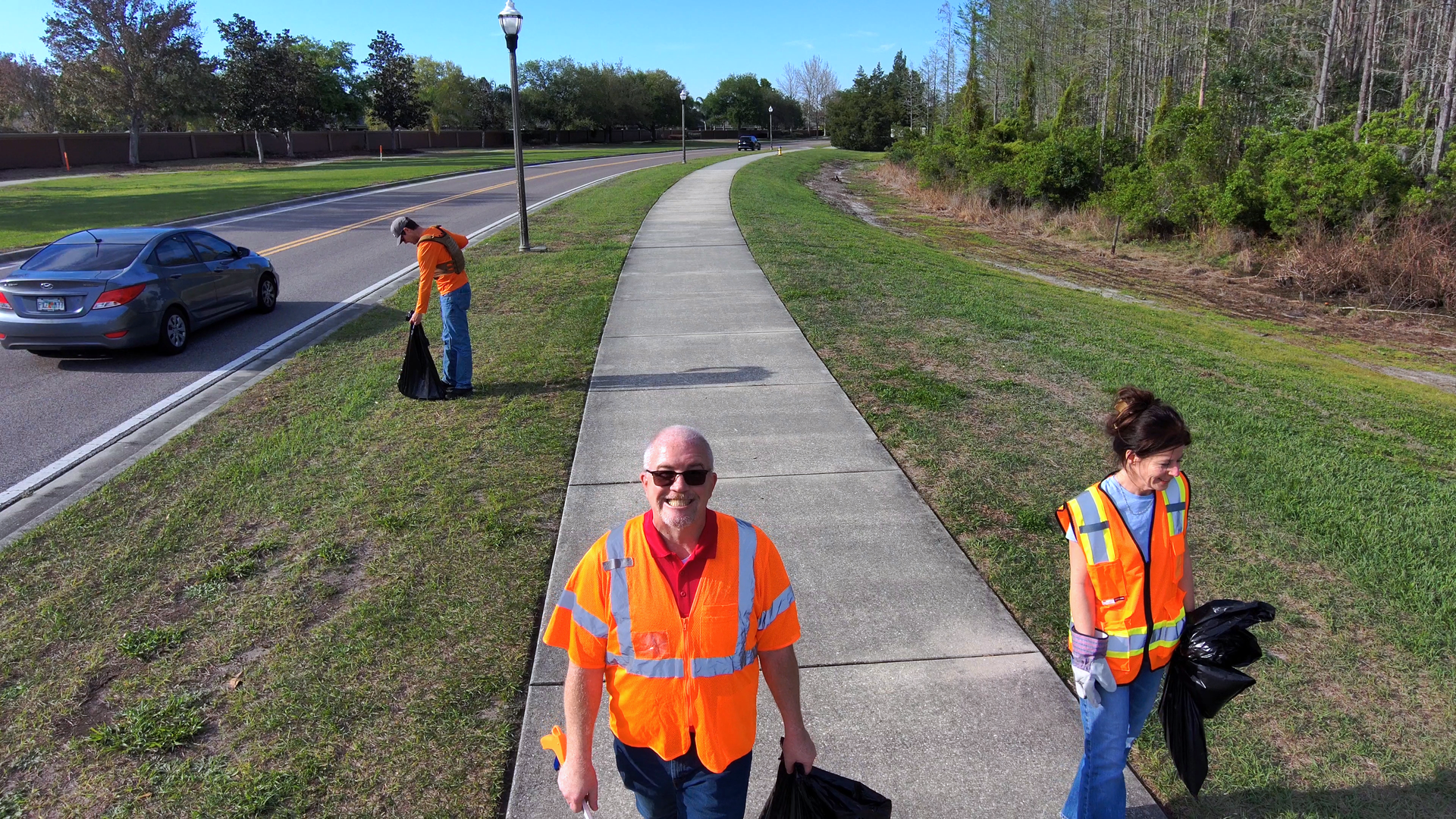
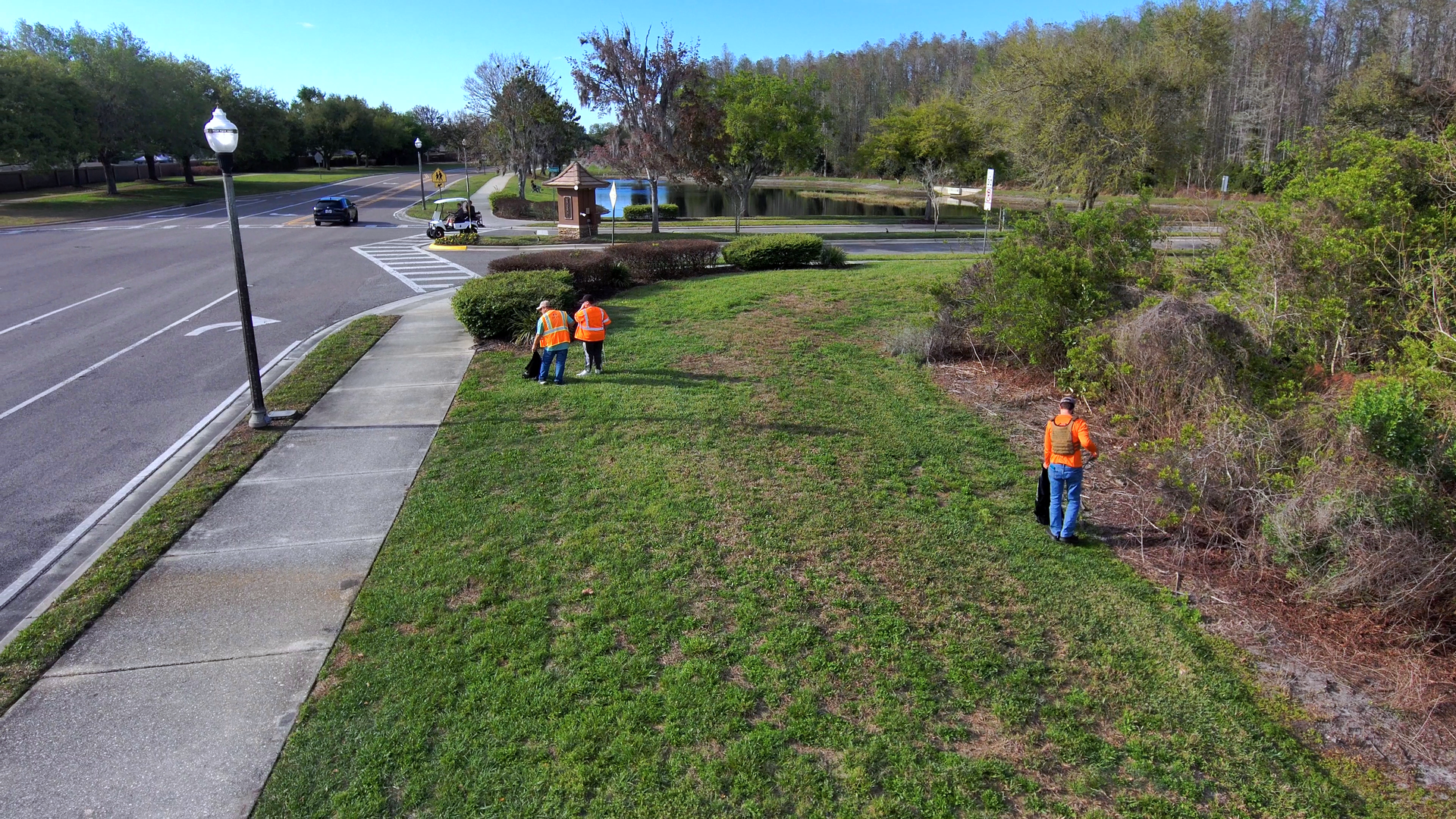
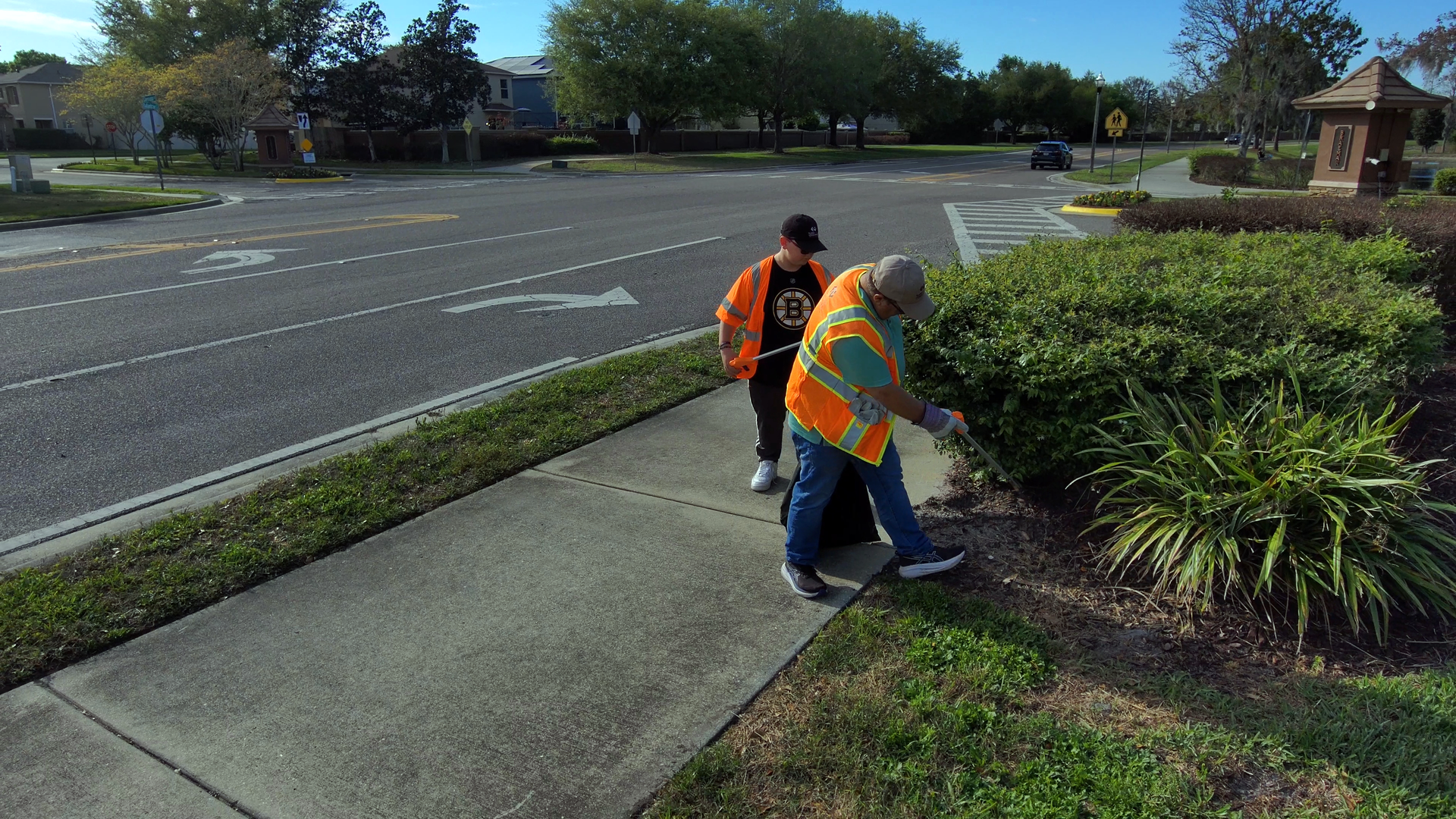
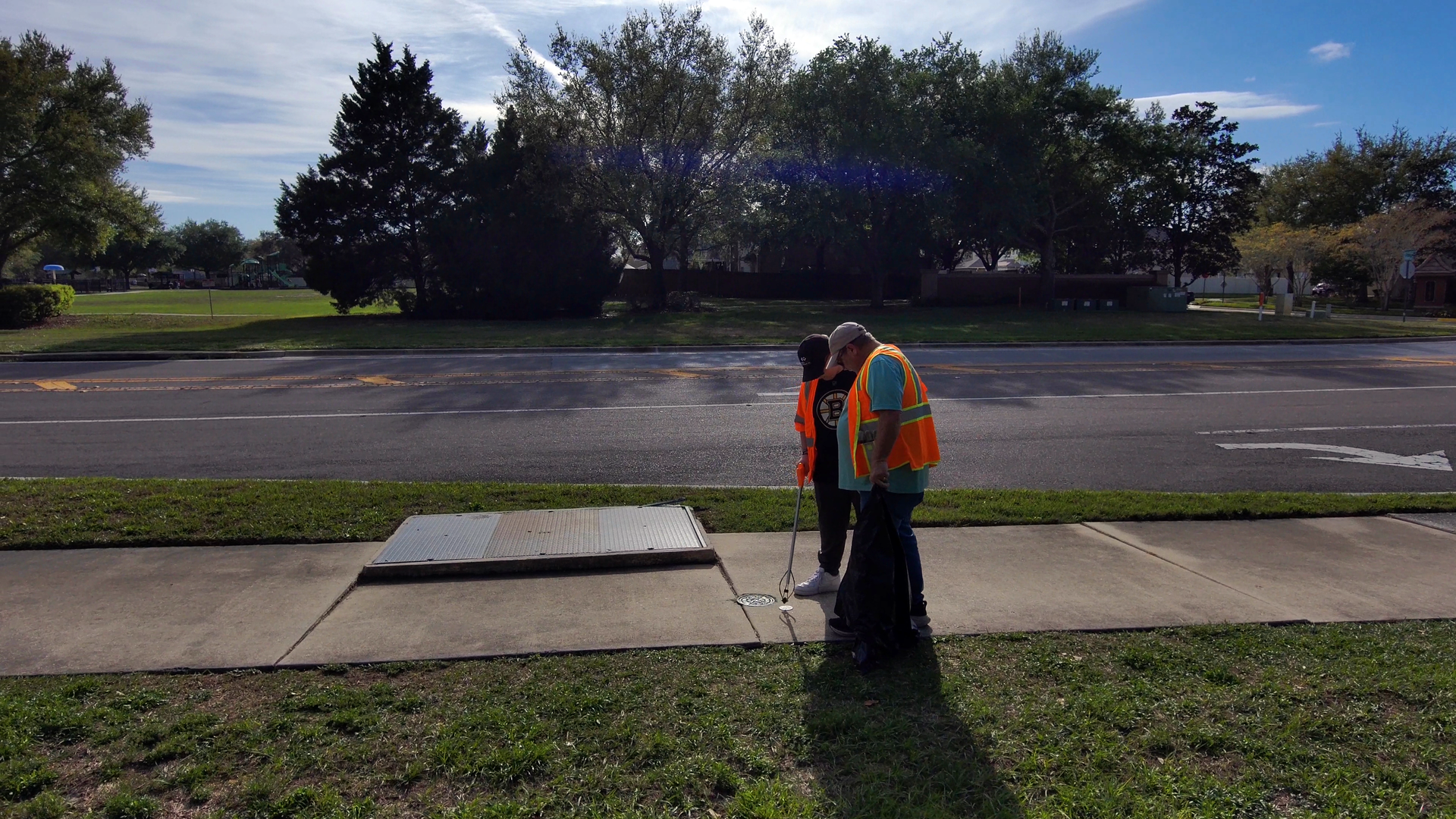
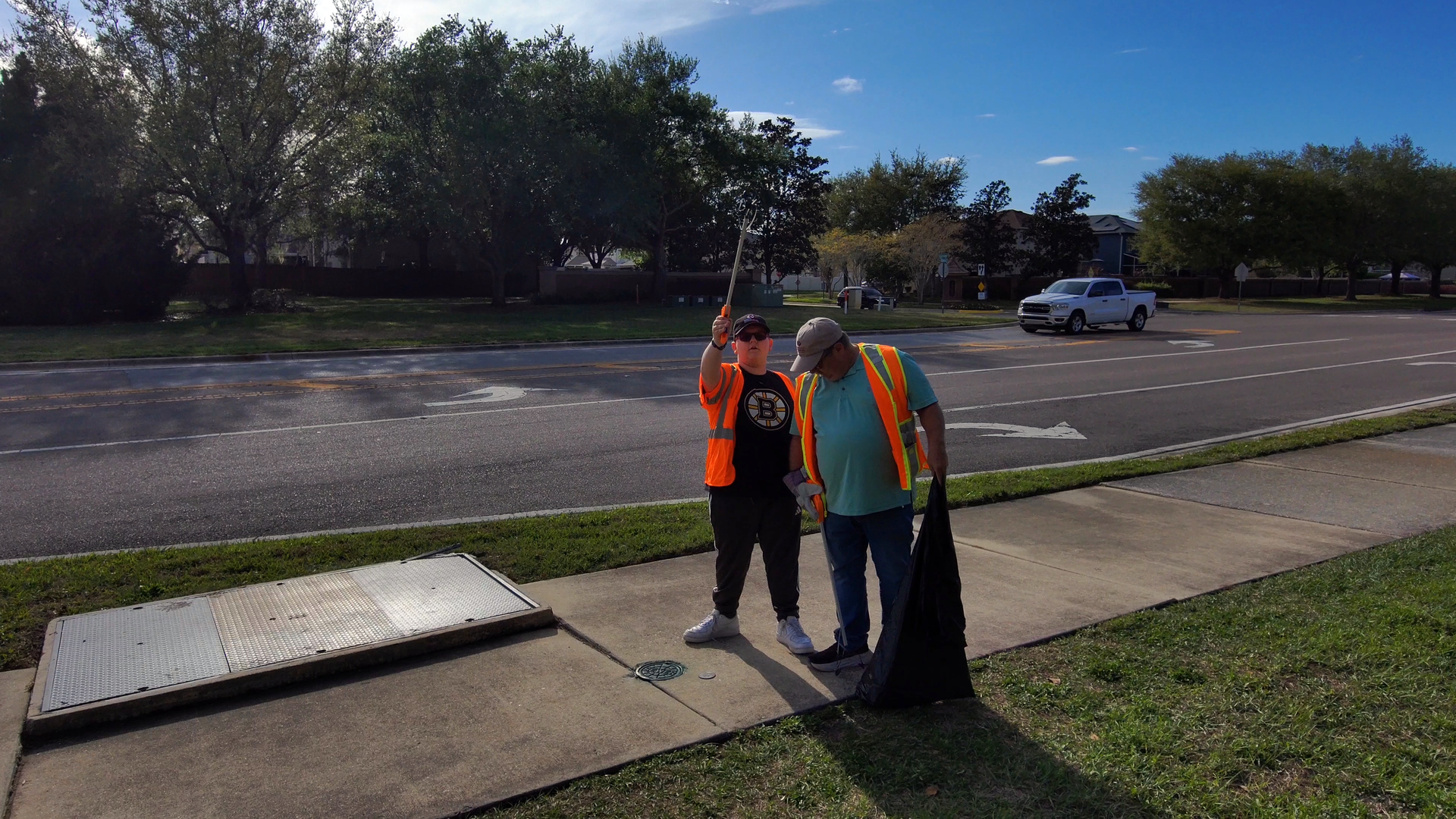
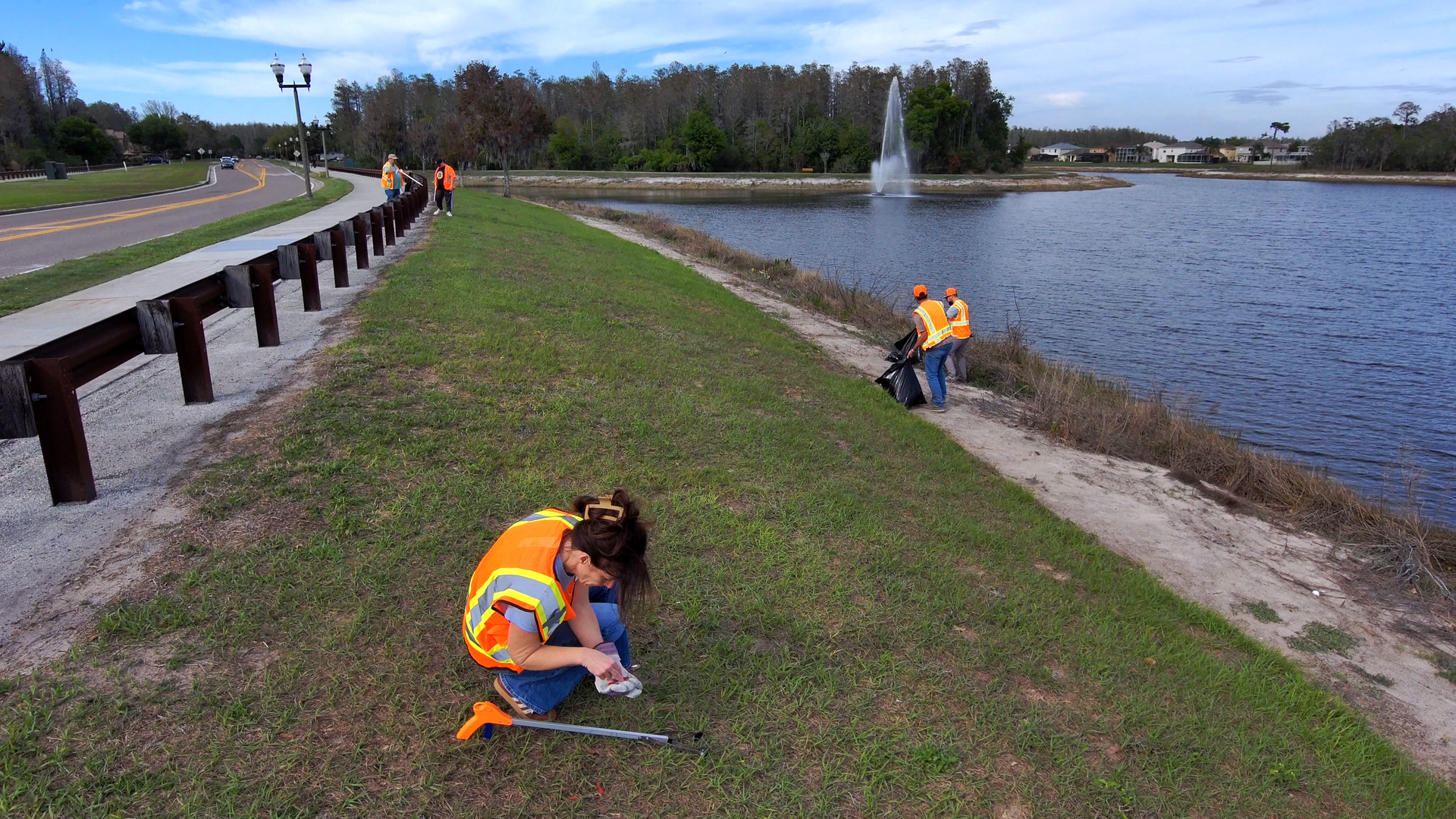
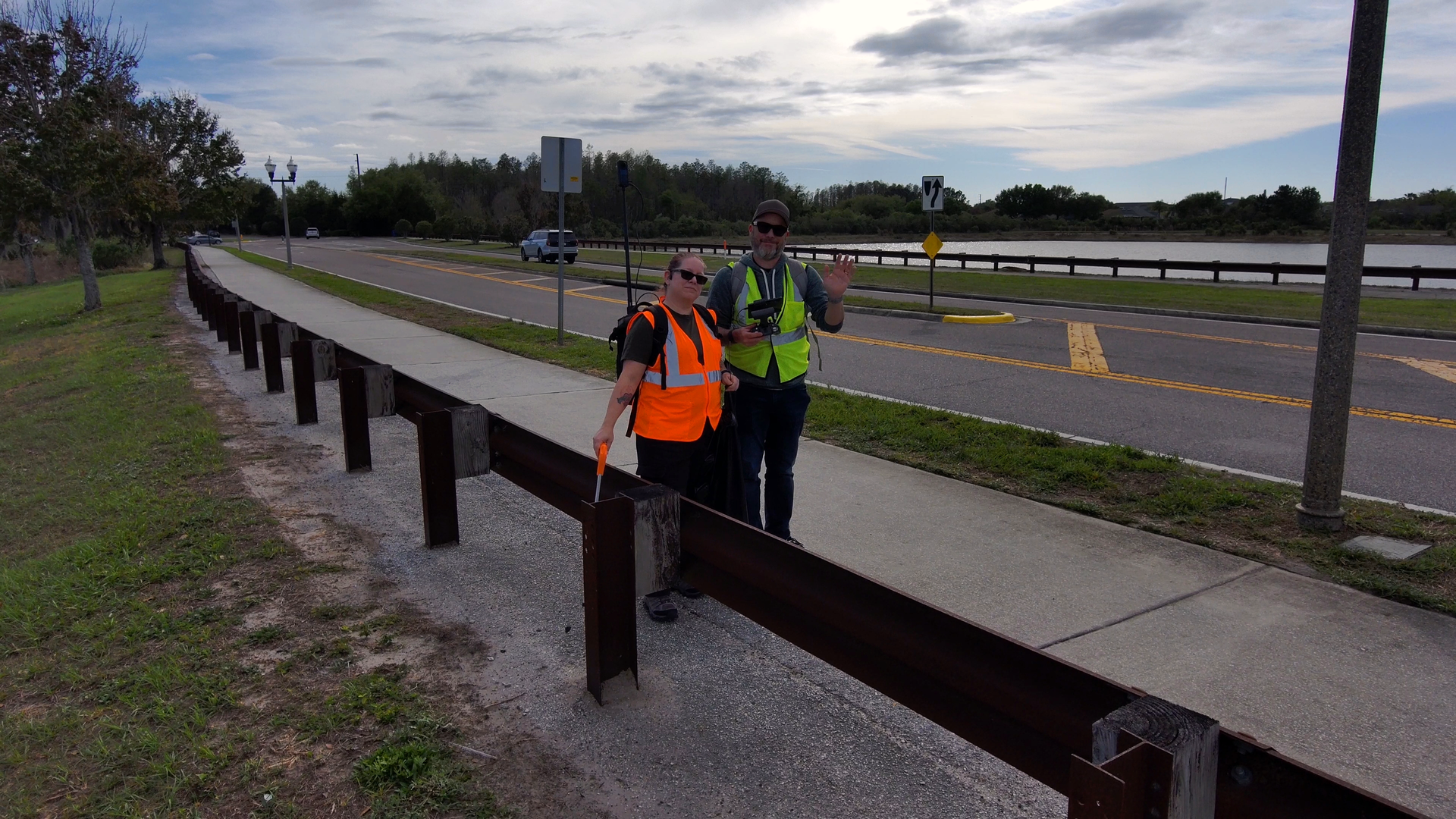
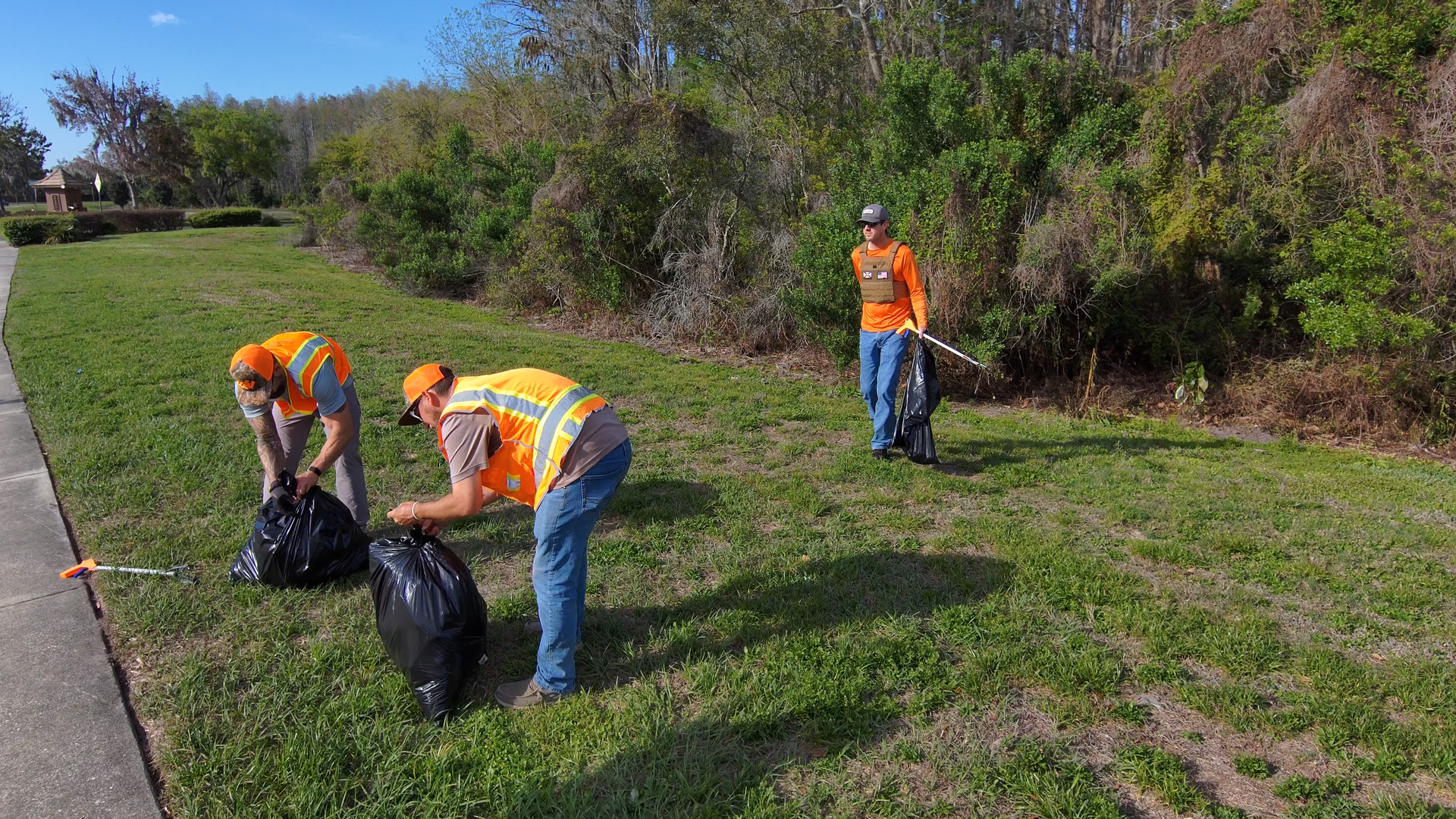
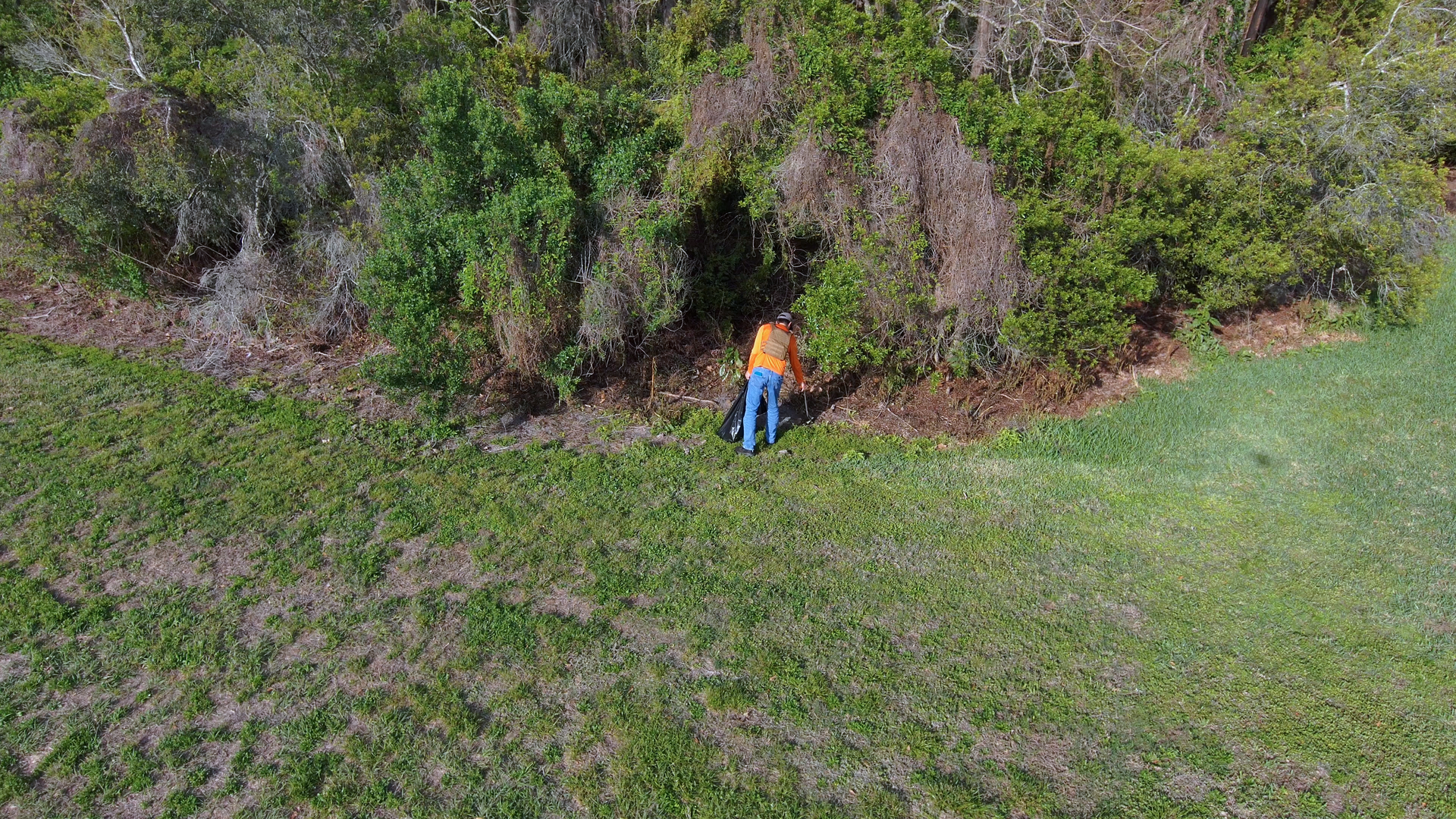
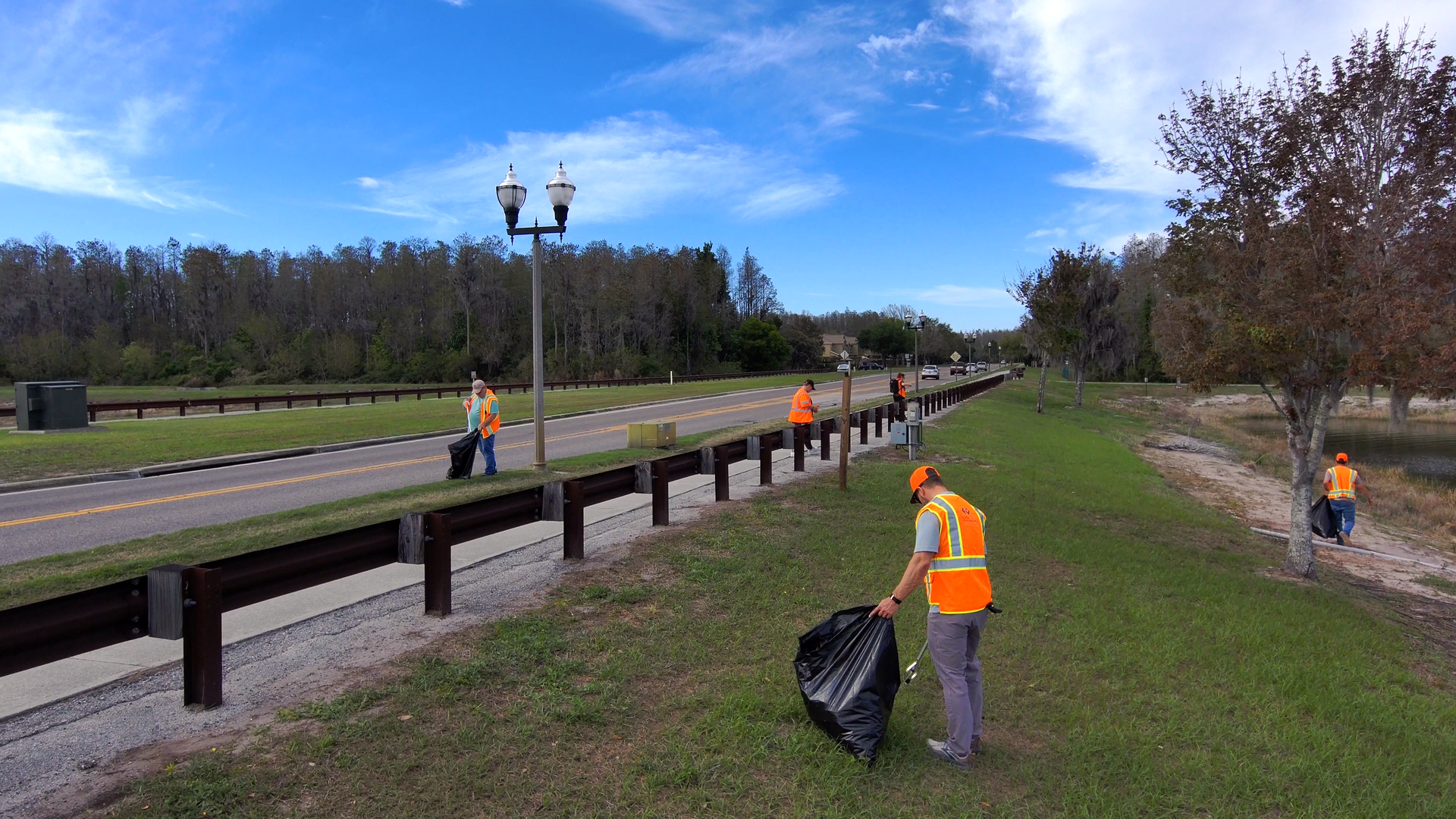
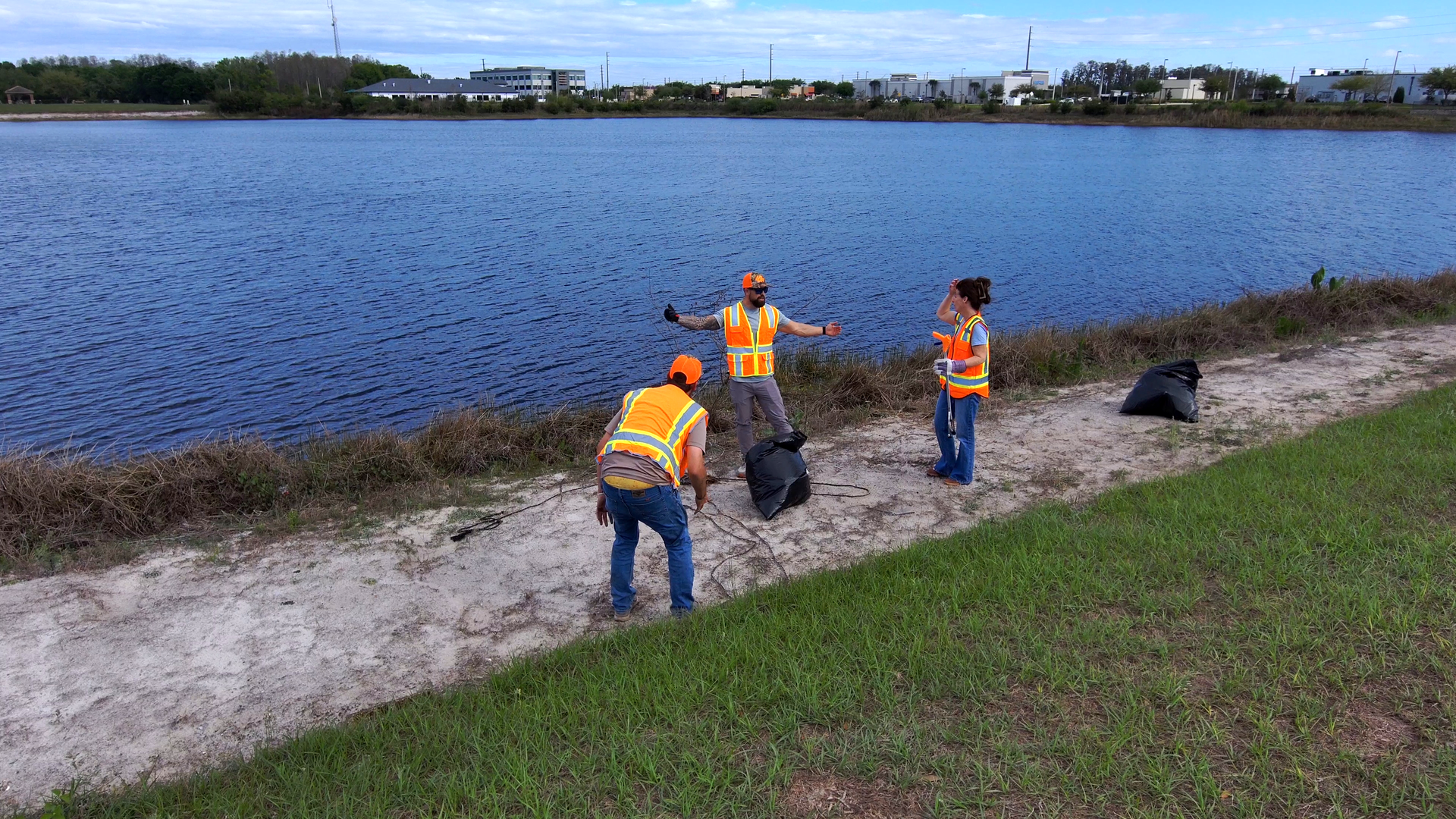
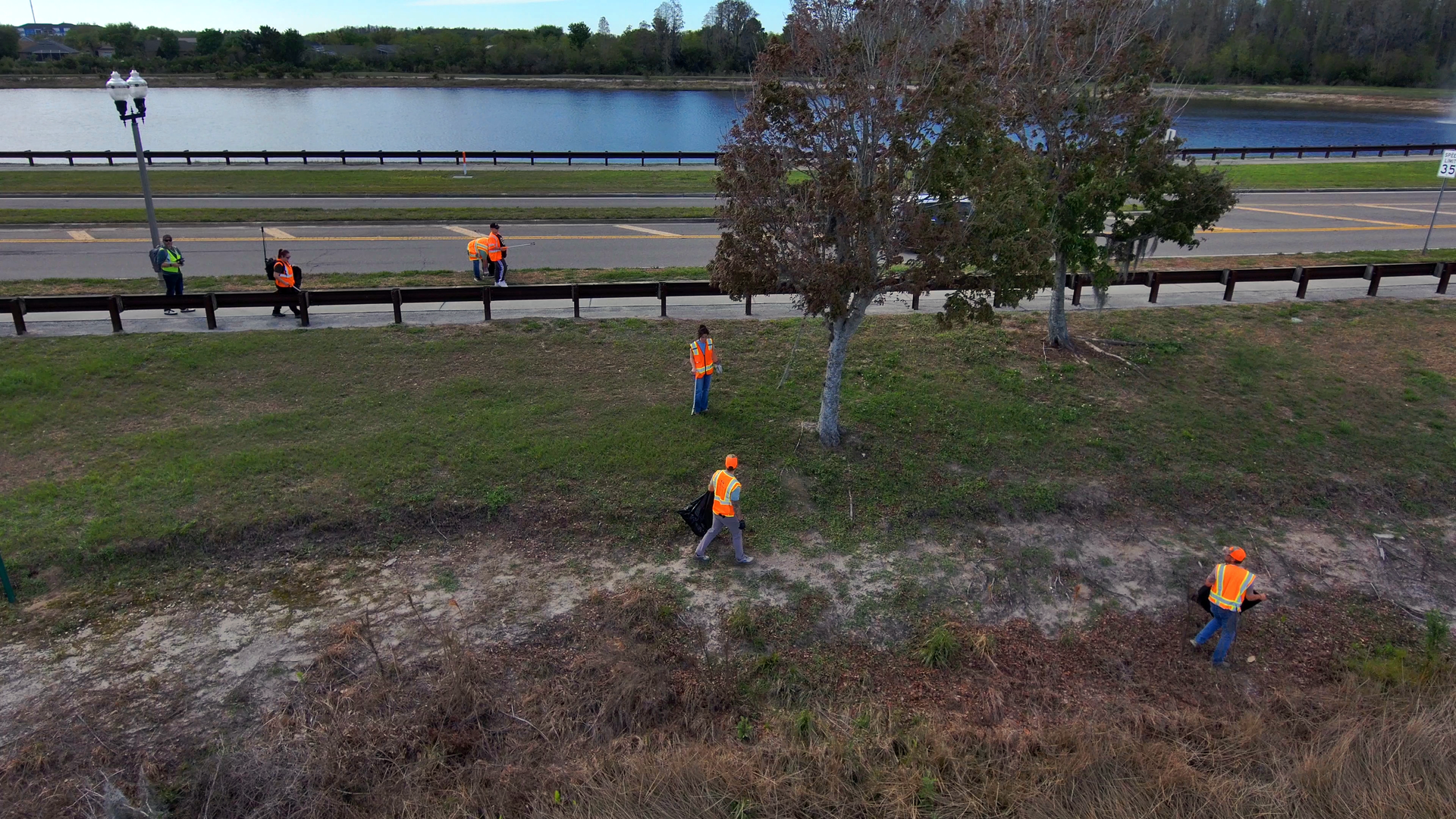
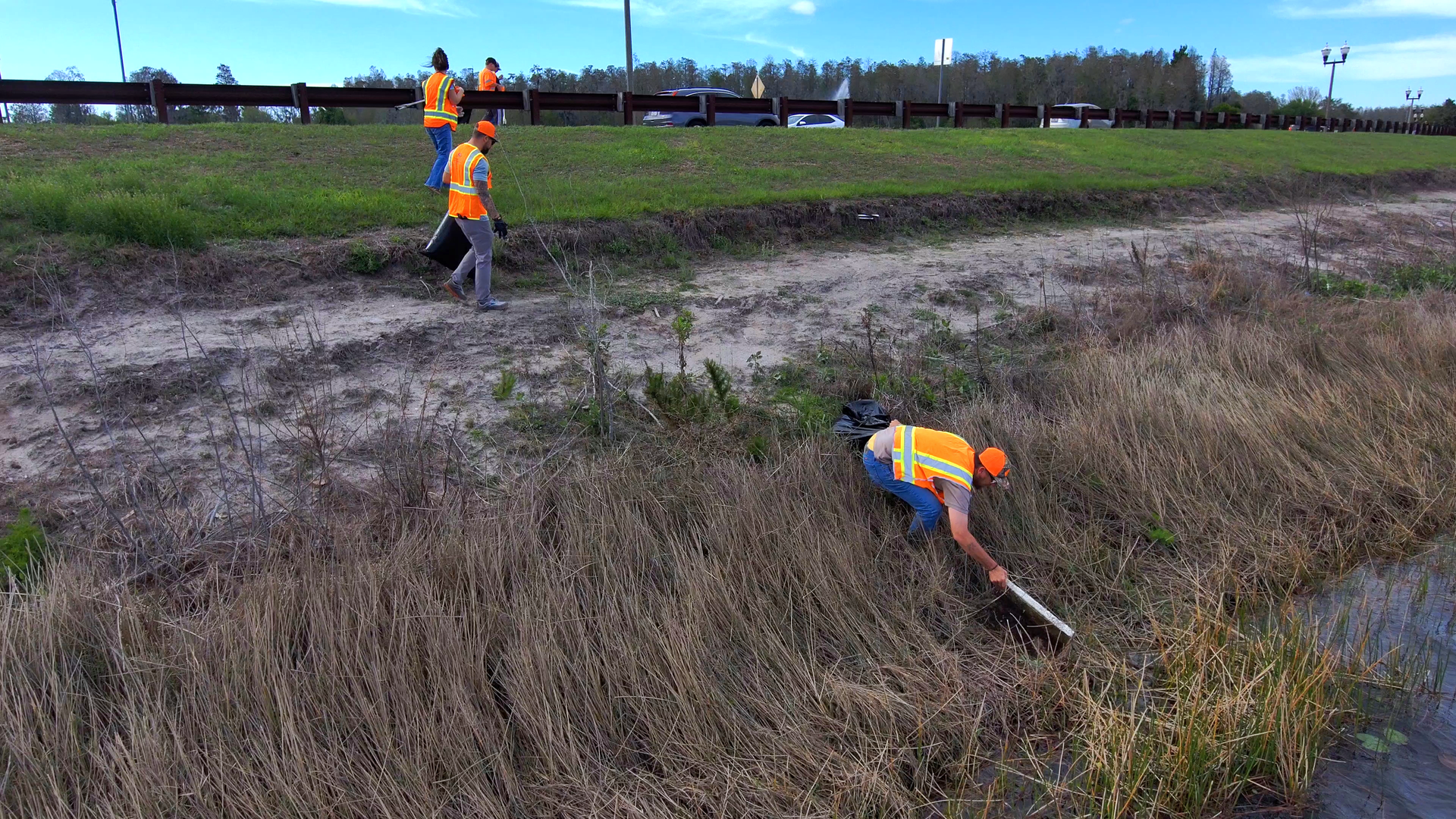
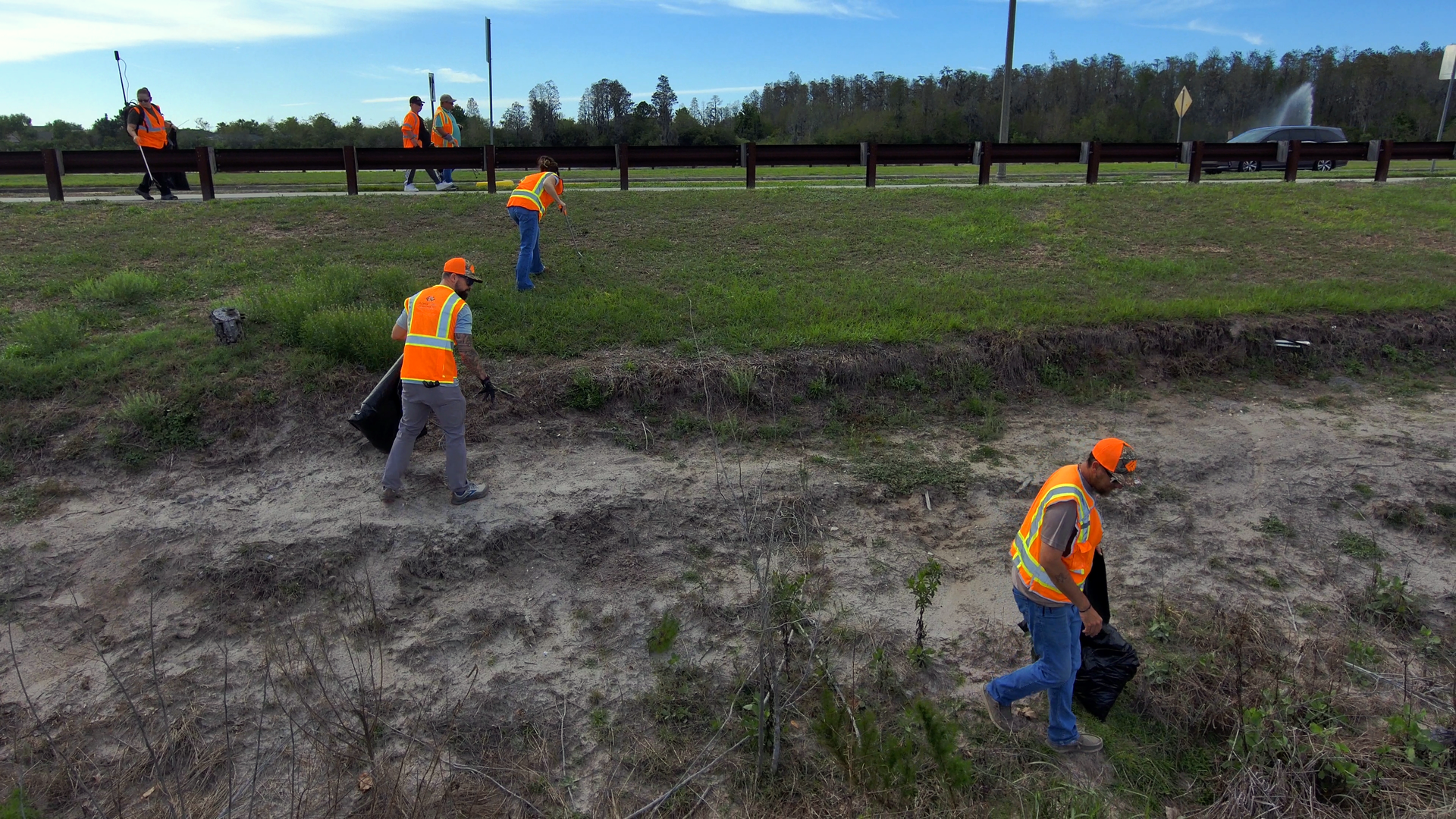
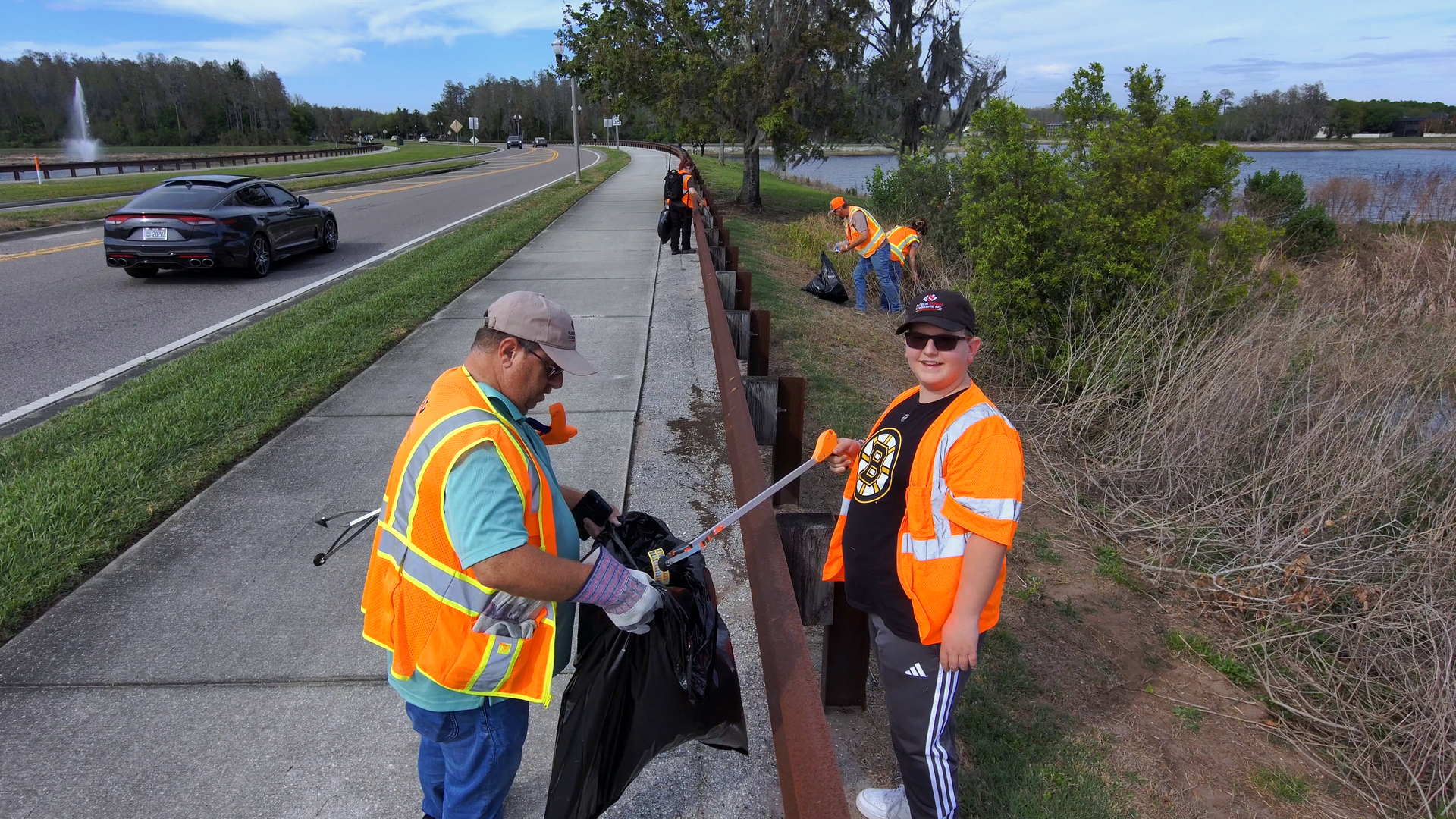
Recently, our team had the opportunity to support the community in a different but equally meaningful way. Florida Design Consultants is proud to participate in Pasco County’s Adopt-A-Road Volunteer-Based Litter Removal Program through our commitment to Ballantrae Boulevard. As part of the program, Pasco County placed two signs recognizing FDC’s adopted section of roadway, one at the beginning and one at the end. While it is exciting to see our name on those signs, to us, they represent something much bigger.

Showing Up for the Community

Adopting a roadway may seem simple.


It means picking up litter.

It means helping keep a roadway clean.

It means giving time and effort back to the community.


But small actions matter more than people often realize.


Clean roadways help create a stronger first impression of our neighborhoods, businesses, and public spaces. They contribute to community pride and help reduce debris that can eventually make its way into drainage systems, conservation areas, and waterways.


More importantly, they remind people that someone cares.


Community care is contagious. When people see businesses, organizations, and neighbors investing time into improving the places around them, it often encourages others to do the same.

Why Community Involvement Matters

At FDC, our work does not stop at the edge of a plan sheet.

We are part of this community. We live here. We work here. We raise families here. We drive these roads, visit these businesses, and care deeply about the continued growth and appearance of the Tampa Bay region.


Programs like Adopt-A-Road provide a hands-on way to support the same communities we help shape professionally through engineering, planning, surveying, and landscape architecture.


They also serve as a reminder that community involvement does not always need to be large or complicated.


Sometimes community care looks like:


  • Picking up litter
  • Volunteering at local events
  • Supporting local nonprofits
  • Mentoring students
  • Planting trees or landscaping public spaces
  • Participating in clean-up programs
  • Supporting local schools and organizations
  • Simply showing up and being involved


Small acts, repeated consistently, help strengthen communities over time.

The Connection Between Clean Communities and Quality of Life

Community appearance has a direct impact on how people experience a place.


Well-maintained roadways, public spaces, and neighborhoods:


  • Improve community pride
  • Support local economic growth
  • Enhance environmental stewardship
  • Encourage tourism and business investment
  • Create safer, more welcoming environments
  • Help preserve natural resources and waterways


For firms involved in land development, engineering, and planning, these efforts align naturally with the broader goal of creating communities where people want to live and thrive.

Teamship Beyond the Office

This commitment also reflects something we talk about often at FDC: Teamship.


For us it means:


  • Showing up for each other
  • Taking ownership
  • Working together
  • Doing the right thing, even when no one is watching


Our adopted section of Ballantrae Boulevard gives our team another opportunity to work together outside of the office and field while making a visible difference in the community around us.


The signs may mark the beginning and end of our adopted roadway, but for us, they also represent a continued commitment to being a good neighbor, a responsible local business, and an active part of the communities we serve.

How You Can Help Care for Your Community

Getting involved does not require a large budget or organization. Every individual and business can make a difference.


A few simple ways to get started:


  1. Join or sponsor a local cleanup initiative
  2. Volunteer with community organizations
  3. Support beautification projects
  4. Participate in environmental stewardship programs
  5. Encourage employee volunteer days
  6. Mentor students or young professionals
  7. Support local schools, parks, and nonprofits
  8. Lead by example in your own neighborhood or workplace


The goal is not perfection. It is participation.


Communities become stronger when people take ownership of the places they share.

Thank You

Thank you to Keep Pasco Beautiful and Pasco County for creating programs that allow local businesses, organizations, and volunteers to be part of the solution.


And thank you to the FDC team members who continue to show that caring for our community is not just something we talk about — it is part of who we are.

Share Online

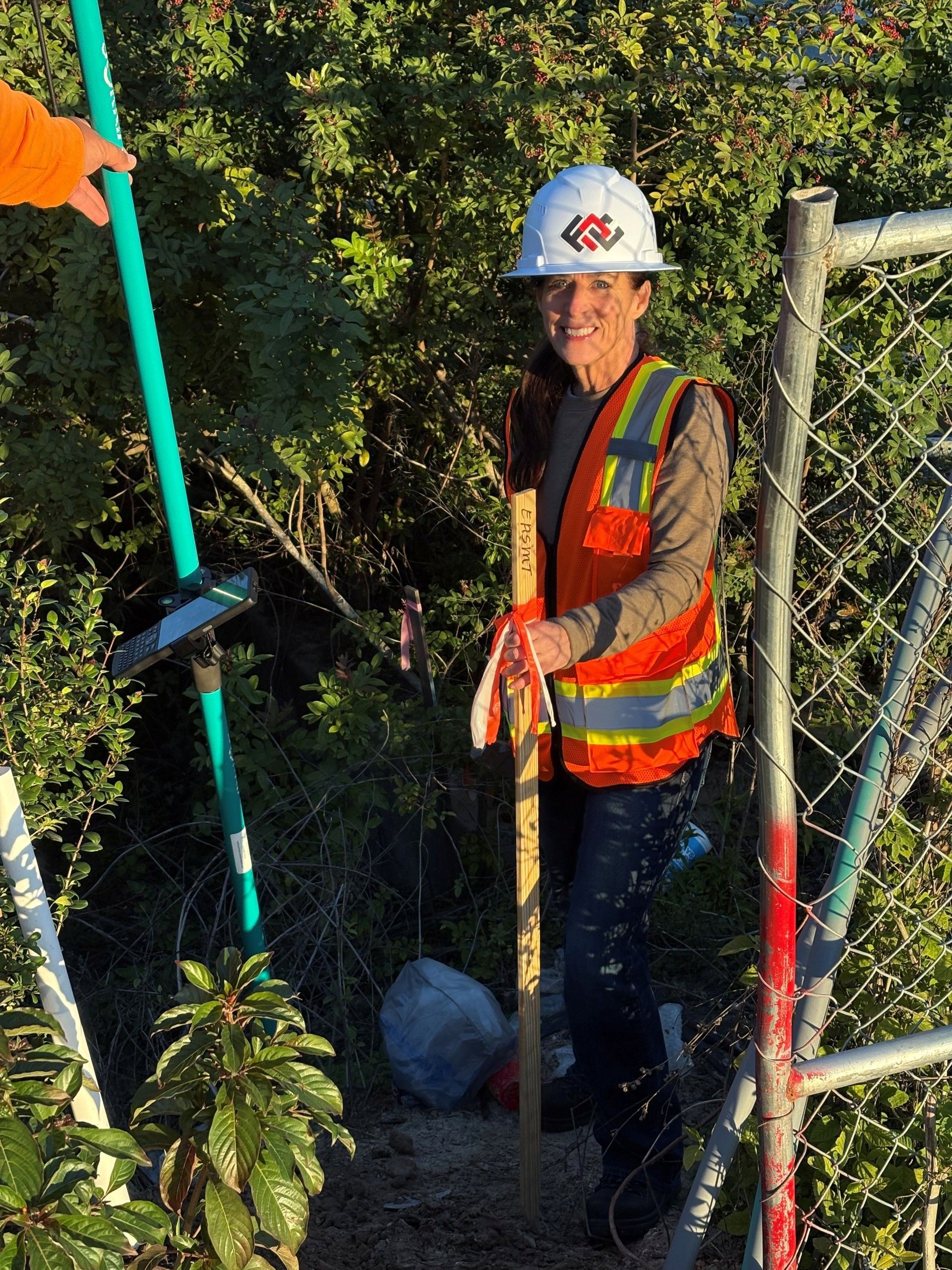
A person in a hard hat and high-visibility vest stands outdoors near a chain-link fence, holding a wooden survey stake.
By By Megan Russell-Bean, SHRM-CP, Vice President of Corporate Operations March 24, 2026
What a Day in the Field Taught Me About Safety, Teamwork, and Surveying at Florida Design Consultants By Megan Russell-Bean, SHRM-CP, Vice President of Corporate Operations
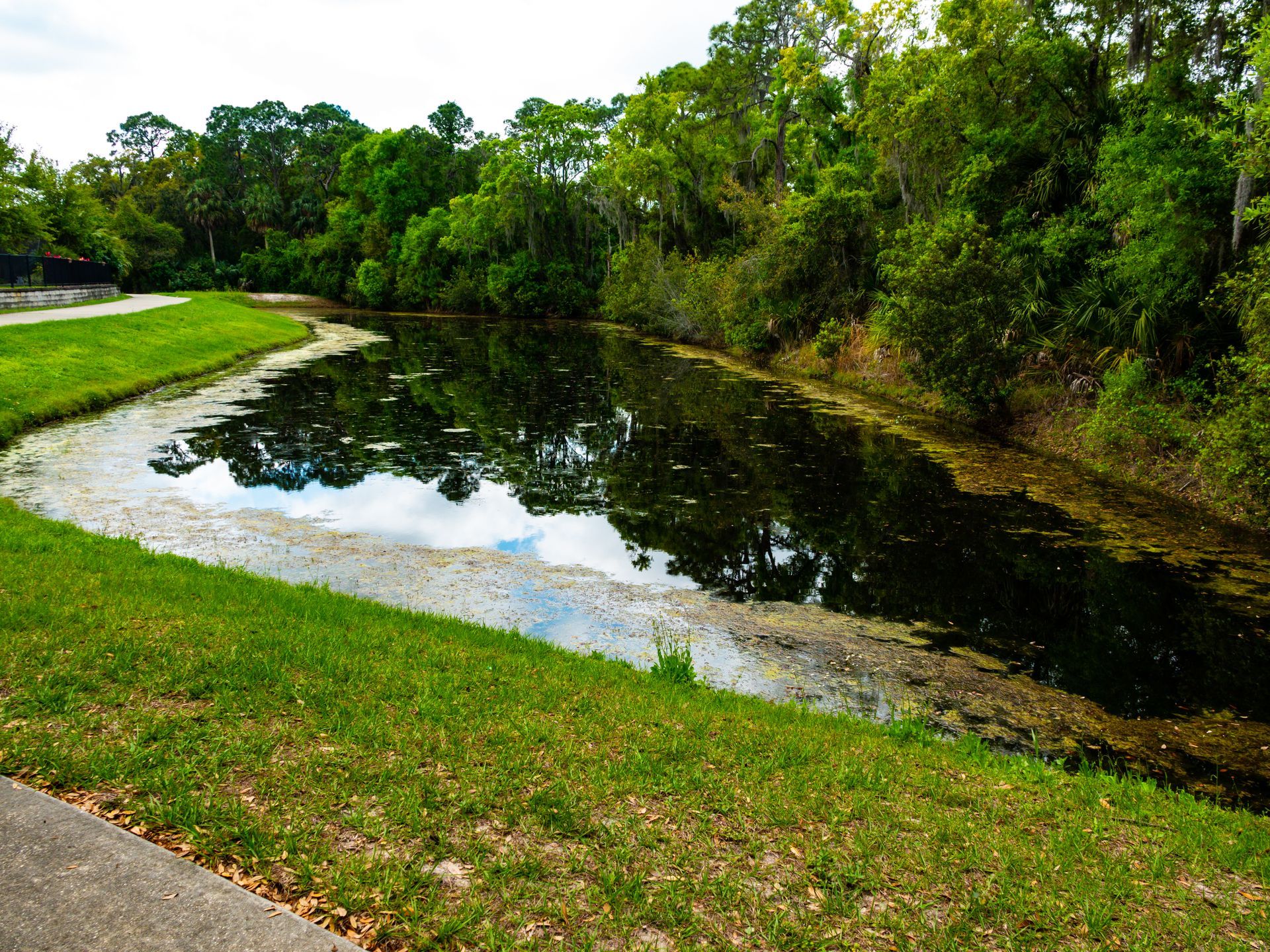
Pond surrounded by lush green grass and trees, reflecting the sky. Overcast day.
By By Ed Rogers, P.E., President, and David Fleeman, P.E., Vice President & Director of Engineering December 3, 2025
Florida’s new stormwater management rules take effect in 2025, requiring verified nutrient reduction for permits. Learn how FDC helps developers adapt.
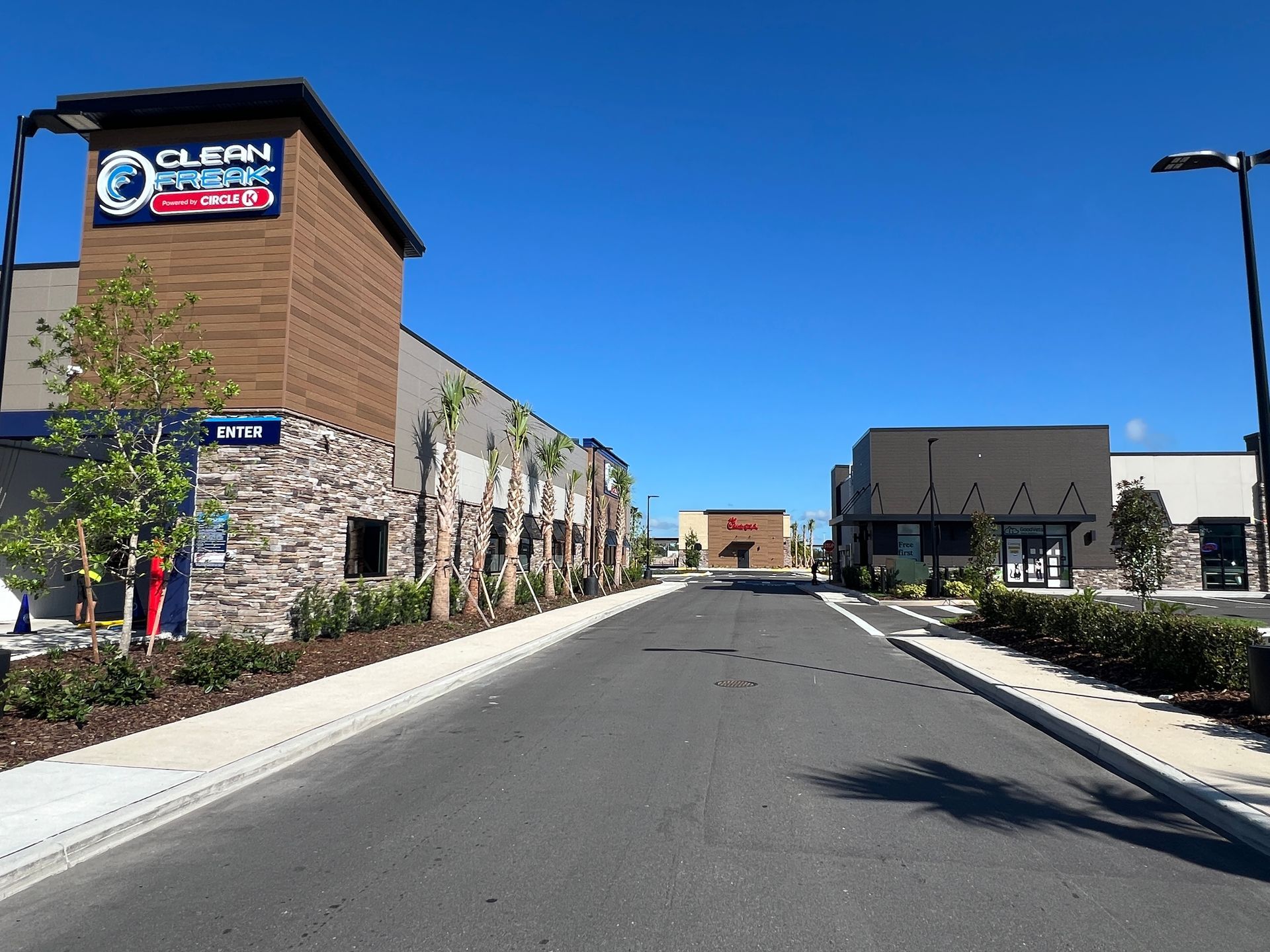
A car wash and storefronts line a street under a clear blue sky.
November 7, 2025
Florida Design Consultants partnered with Promenade Retail and Pasco County to create a walkable commercial center that enhances community growth.
Blueprint with a pen; logo of Florida Design Consultants.
By Ed Rogers & David Fleeman, Florida Design Consultants September 10, 2025
Discover how accurate pre-construction preparation helps developers and builders avoid costly mistakes. FDC experts Ed Rogers and David Fleeman share insights on risk reduction, planning, and technology.
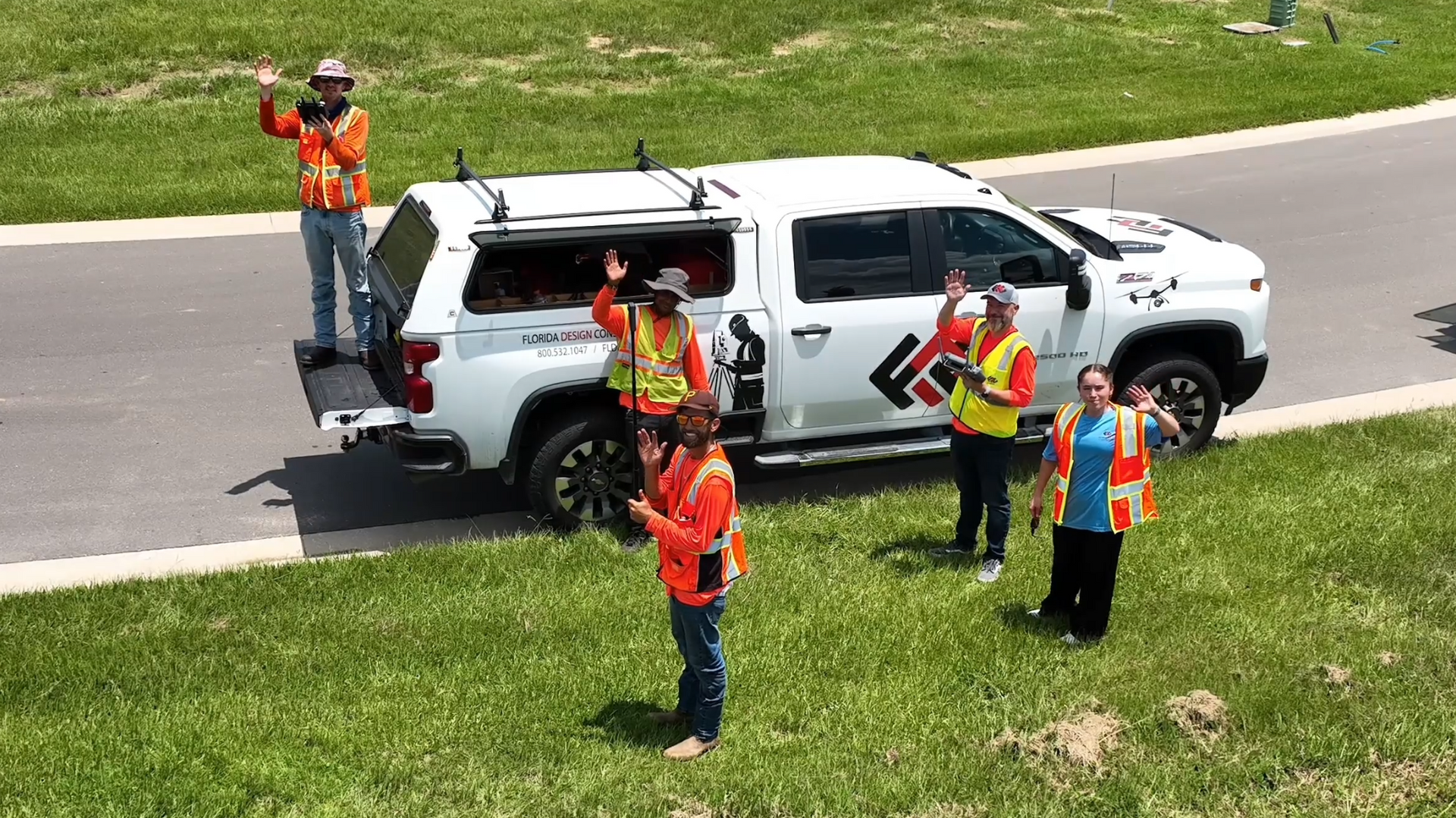
Group of people in safety vests near a white pickup truck on a grassy area, waving at the camera.
By Jared Patenaude and Brian Drinkwater August 6, 2025
“We’ve seen situations where traditional fieldwork might take two weeks. Drones can capture the same data in hours, without sacrificing accuracy.”
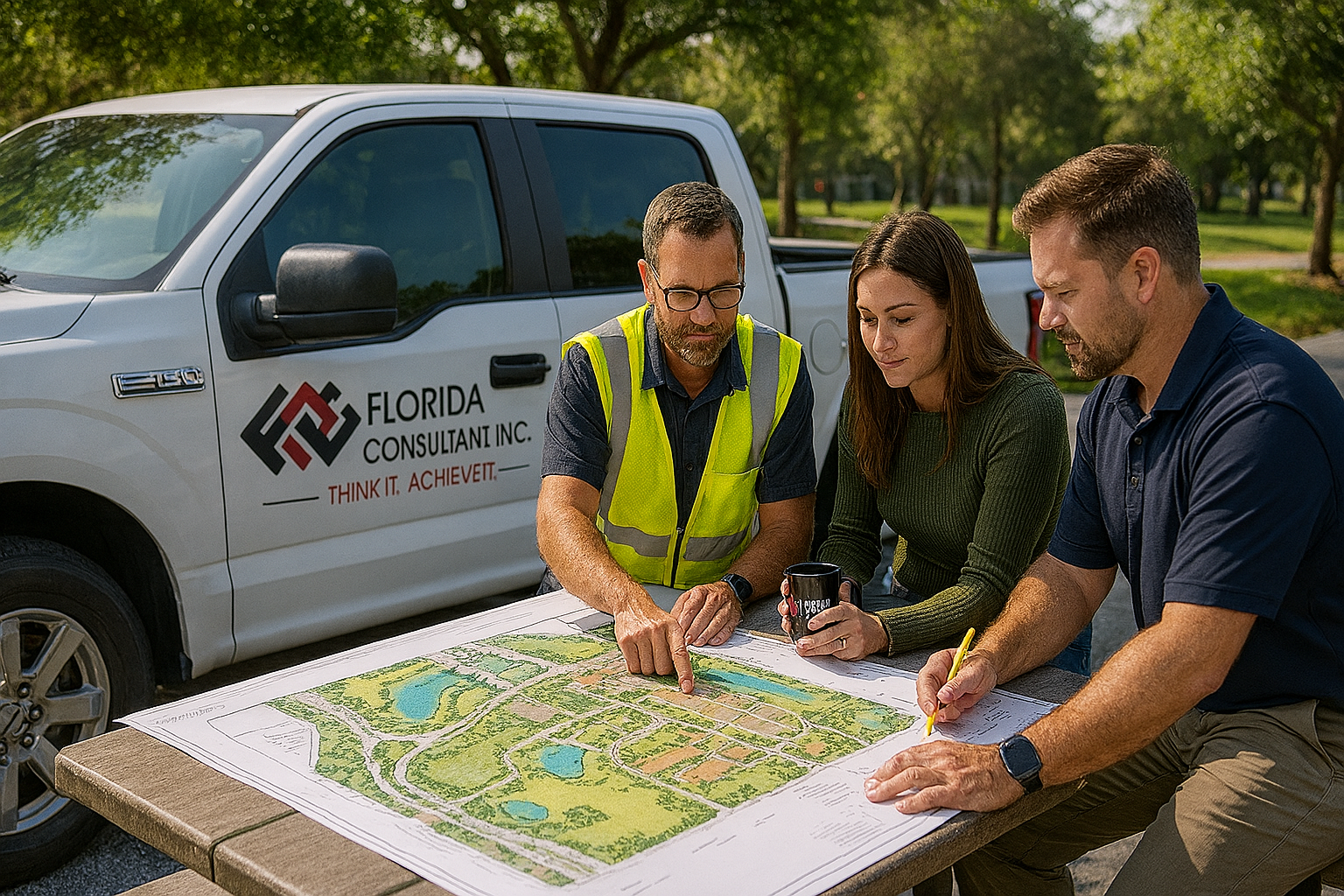
A group of civil engineers  are looking at a map in front of a truck.
By Rob Rosner July 18, 2025
Discover how Florida Design Consultants blends aesthetics and function in modern landscape design to create sustainable, beautiful, and functional spaces.
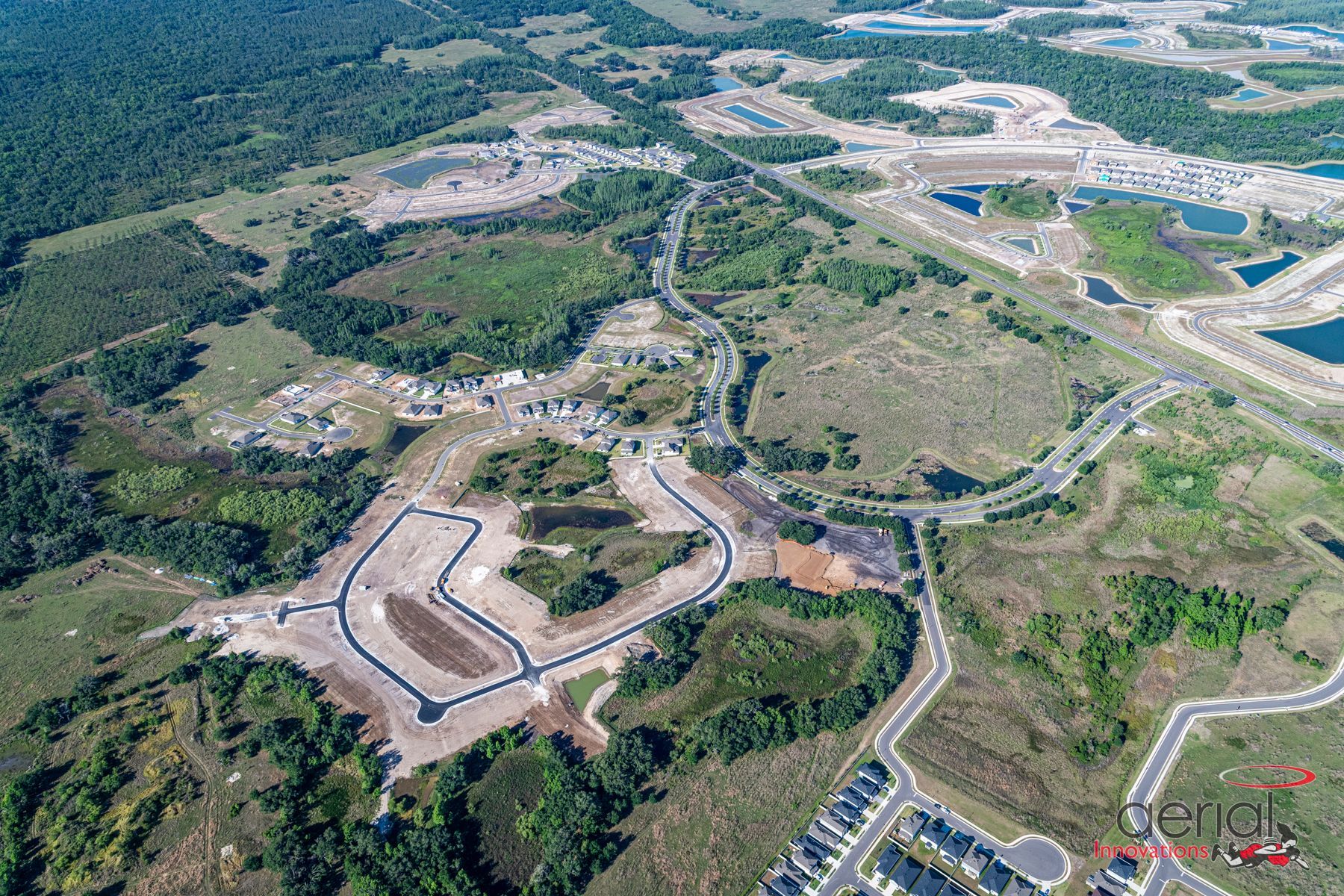
An aerial view of a construction site with a lot of trees and roads.
May 13, 2025
Discover how Florida Design Consultants helped Pulte revitalize Riverwood, overcoming infrastructure, permitting, and environmental challenges to accelerate time-to-market.
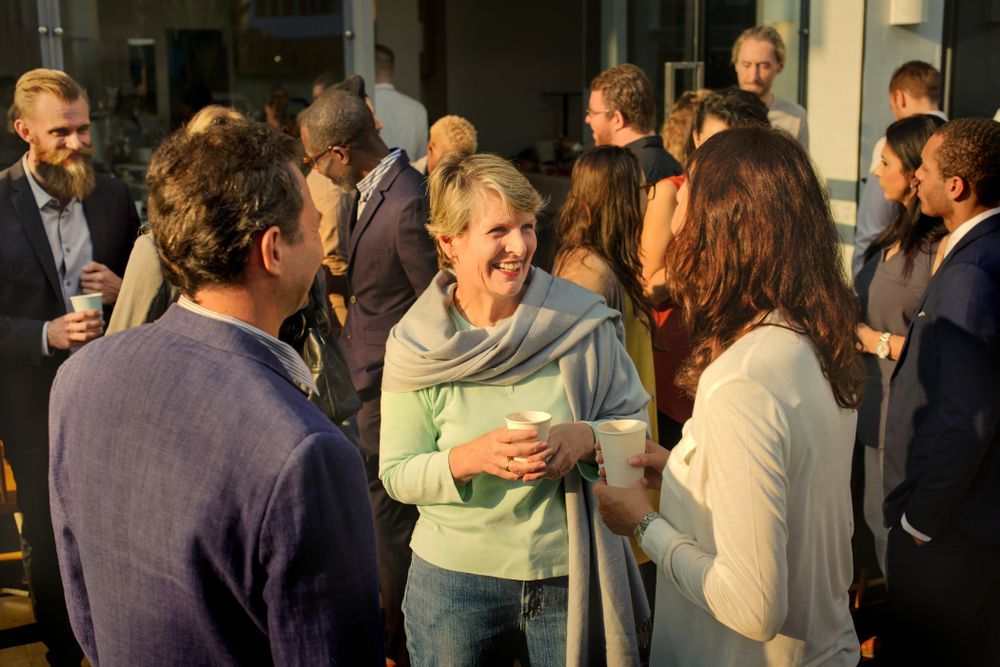
A group of people are standing around talking to each other at a community event sponsored by Florida Design Consultants
March 27, 2025
Florida Design Consultants Sponsors Pasco EDC’s 22nd Annual NetFest to Support Economic Development and Community Growth
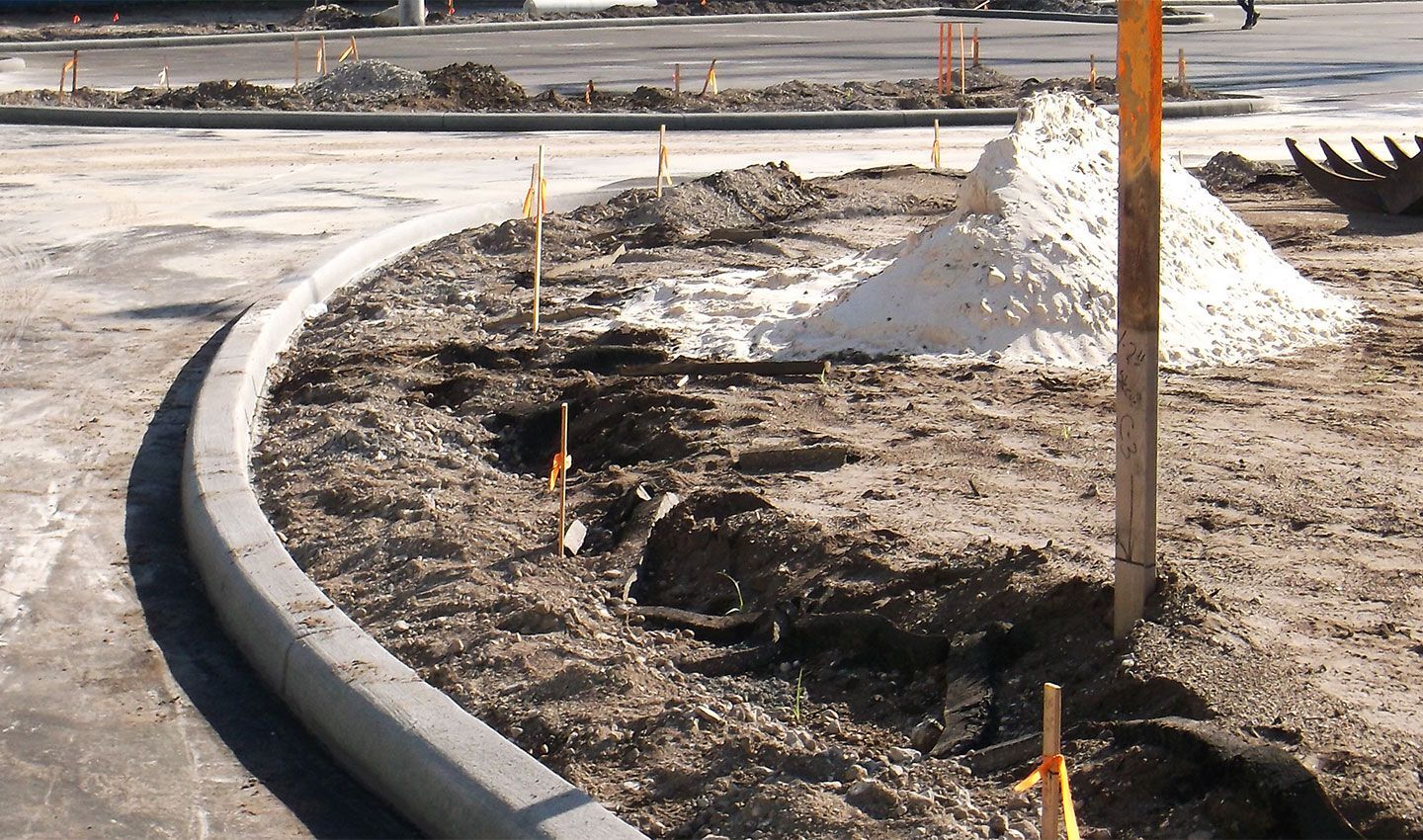
A construction site with a pile of dirt in the middle with stakes around it.
January 18, 2025
Florida Design Consultants, Inc.'s Survey Department has been a trusted partner for municipal, private land development, and site contractor clients for over 20 years. Specializing in construction stakeout and record (as-built) surveys, the department supports diverse projects ranging from residential and commercial developments to major roadway and pipeline initiatives. With a team-oriented approach and a commitment to meeting schedules and budgets, the department prides itself on its repeat business and ability to resolve construction challenges effectively.
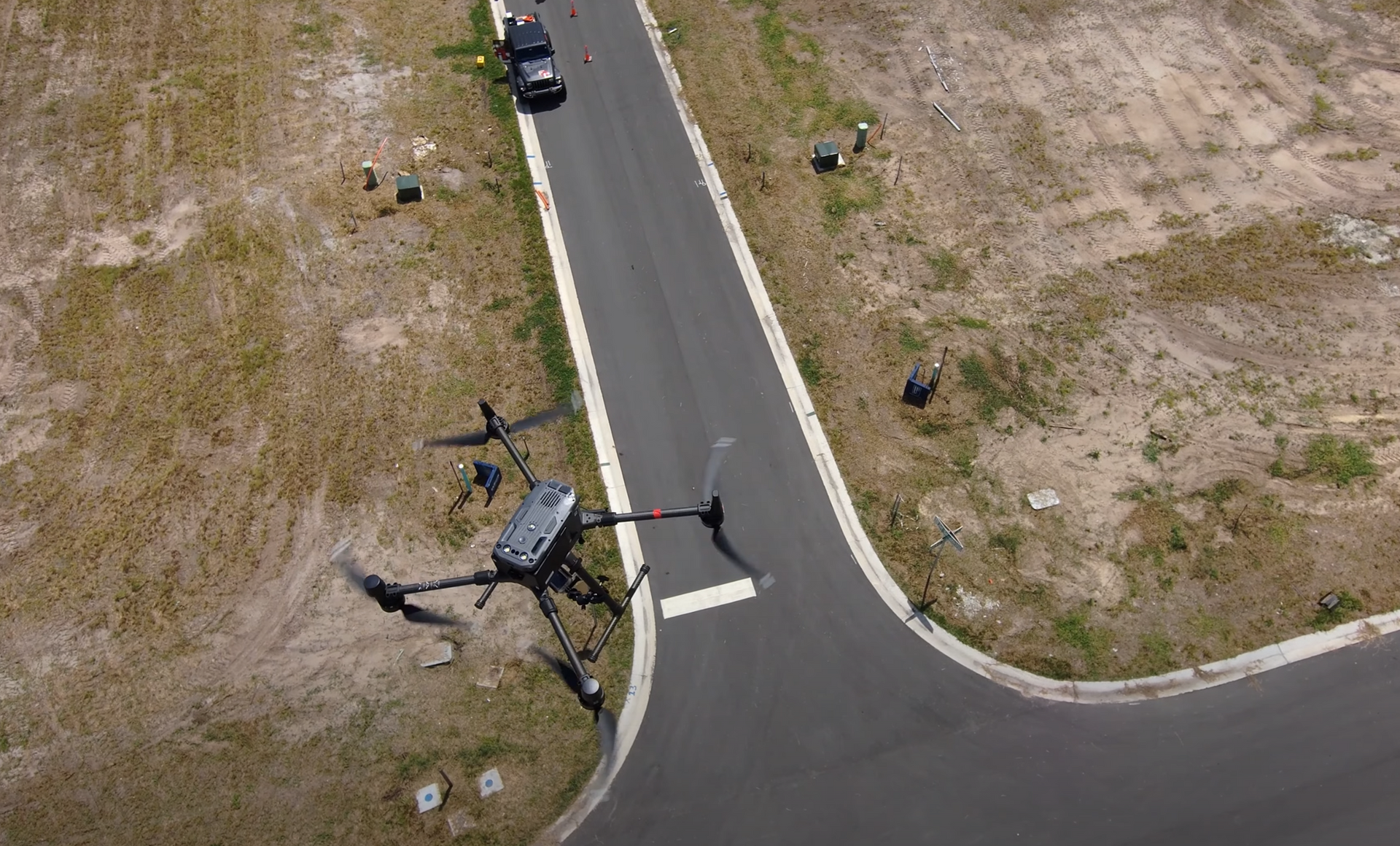
An aerial view of a drone flying over a road.
By Jared Patenaude October 10, 2024
Addressing Industry Challenges with Advanced 3D Terrain Modeling Solutions The construction and land development industries are undergoing significant transformation. The rise of new technologies like 3D modeling, drones, and LiDAR is reshaping how land developers, contractors, and home builders manage projects. However, despite these advancements, the industry continues to face familiar challenges: project delays, cost overruns, and disputes over site conditions. As we move forward, innovative solutions must be embraced to stay competitive. In this blog, we’ll explore the latest trends in construction technology, the ongoing challenges the industry faces, and how advanced solutions like 3D terrain modeling can provide answers. Industry Trends: The Push for Data-Driven Construction With increasing pressure to reduce costs, improve efficiency, and maintain transparency, companies in construction, land development, and home building are looking toward data-driven technologies to meet these demands. According to a McKinsey report, early adopters of digital tools like 3D modeling, drones, and real-time data analytics have seen project costs drop by up to 15%. This shift towards technology not only optimizes workflows but also minimizes risks. Key technological trends shaping the future of construction include: Drones and Aerial Data Capture: Drones are an essential tool for tracking project progress, conducting site inspections, and capturing aerial images. These devices allow for faster data collection, reducing the need for on-site inspections, and providing developers, contractors, and builders with near real-time insights into site conditions. 3D Modeling and Photogrammetry: By creating detailed 3D models of development and construction sites, companies can better visualize project stages, identify potential issues early, and ensure alignment between all stakeholders – whether developers, contractors, or end-users. Photogrammetry —creating 3D images from aerial photographs—is widely used for progress tracking, but often lacks the precision needed for critical tasks like volume calculations and topography assessments. LiDAR Technology: LiDAR (Light Detection and Ranging) offers far greater precision than photogrammetry. By using lasers to measure distances, LiDAR produces accurate, survey-grade models of construction sites, allowing for better project management and dispute resolution. Challenges That Persist in Land Development and Construction Despite technological advances, both the construction and land development industries continue to struggle with several recurring challenges: 1. Inaccurate Progress Tracking: Traditional aerial snapshots taken periodically throughout a project often fail to provide the level of detail needed for accurate tracking, leading to disputes between contractors and developers over project progress. 2. Costly Disputes: Damage to utilities, site conditions, or construction errors can result in significant delays and additional costs. Without accurate records of the site's condition at each stage, developers and contractors face difficulties resolving these disputes. 3. Project Delays and Miscommunications: Managing large-scale construction projects requires constant communication between all stakeholders. However, outdated data and inconsistent site inspections often lead to miscommunication, slowing down project timelines and increasing costs for all parties involved.